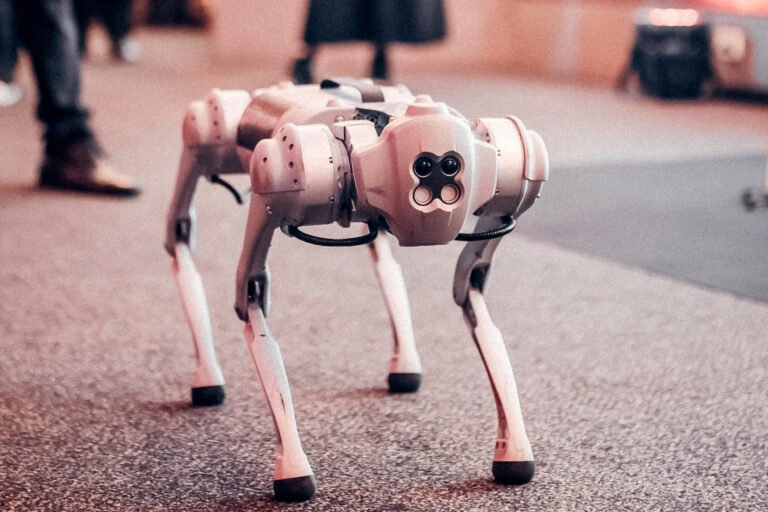
Introduction:
Artificial Intelligence (AI) is no longer just a concept from science fiction—it’s embedded in the devices, apps, and systems we interact with daily. From smartphones to healthcare systems, AI is transforming the way we live, work, and communicate. Its presence is becoming so integral that many people rely on AI without even realizing it.
AI in Communication and Daily Tools
AI powers many tools that simplify communication and everyday tasks.
- Virtual Assistants: Siri, Alexa, Google Assistant, and ChatGPT help schedule appointments, answer questions, and automate tasks.
- Smart Recommendations: AI algorithms suggest movies, music, products, and content based on individual preferences.
- Language Translation: Real-time translation tools like Google Translate make global communication seamless.
Example: Email apps now use AI to sort important messages, suggest replies, and detect spam, improving productivity for millions worldwide.
AI in Healthcare
AI is revolutionizing healthcare by providing faster, more accurate diagnosis and personalized treatment.
- Medical Imaging: AI algorithms analyze X-rays, MRIs, and CT scans to detect diseases such as cancer at early stages.
- Predictive Analytics: AI predicts patient outcomes, helping doctors plan treatments more effectively.
- Telemedicine and Chatbots: AI-powered systems provide preliminary consultations and monitor patient health remotely.
Example: Hospitals are using AI to identify early signs of diabetic retinopathy, preventing vision loss in thousands of patients.
AI in Business and Productivity
Businesses are increasingly using AI to optimize operations, reduce costs, and enhance customer experience.
- Automation of Tasks: Routine tasks like data entry, scheduling, and report generation are now automated.
- Customer Service: AI chatbots handle queries 24/7, improving response times and customer satisfaction.
- Data Insights: AI analyzes large datasets to uncover trends, helping companies make informed decisions.
Example: E-commerce platforms use AI to recommend products based on browsing history, increasing sales and enhancing the shopping experience.
The Future of AI in Everyday Life
AI’s influence will only grow in the coming years:
- Smart Cities: AI will optimize traffic, energy use, and public services.
- Education: Personalized learning platforms powered by AI will adapt lessons to individual students.
- Workforce Transformation: AI will collaborate with humans, automating repetitive tasks while creating new job opportunities.
Challenges: Despite its benefits, AI also raises concerns about privacy, job displacement, and ethical use. Addressing these challenges is crucial for maximizing AI’s positive impact.
Conclusion:
AI has already transformed communication, healthcare, and business, and its role in daily life will continue to expand. While it brings efficiency and convenience, society must carefully manage ethical concerns to ensure AI benefits everyone. Embracing AI thoughtfully is key to a smarter, more connected future.